By HRM Ohempon Dr. Yeboah Asiamah
Paramount Chief of Atebubu Traditional Area
President, Atebubu Traditional Council
Atebubu, Bono East Region | September 4, 2026
Source: Piabire Palace, Atebubu
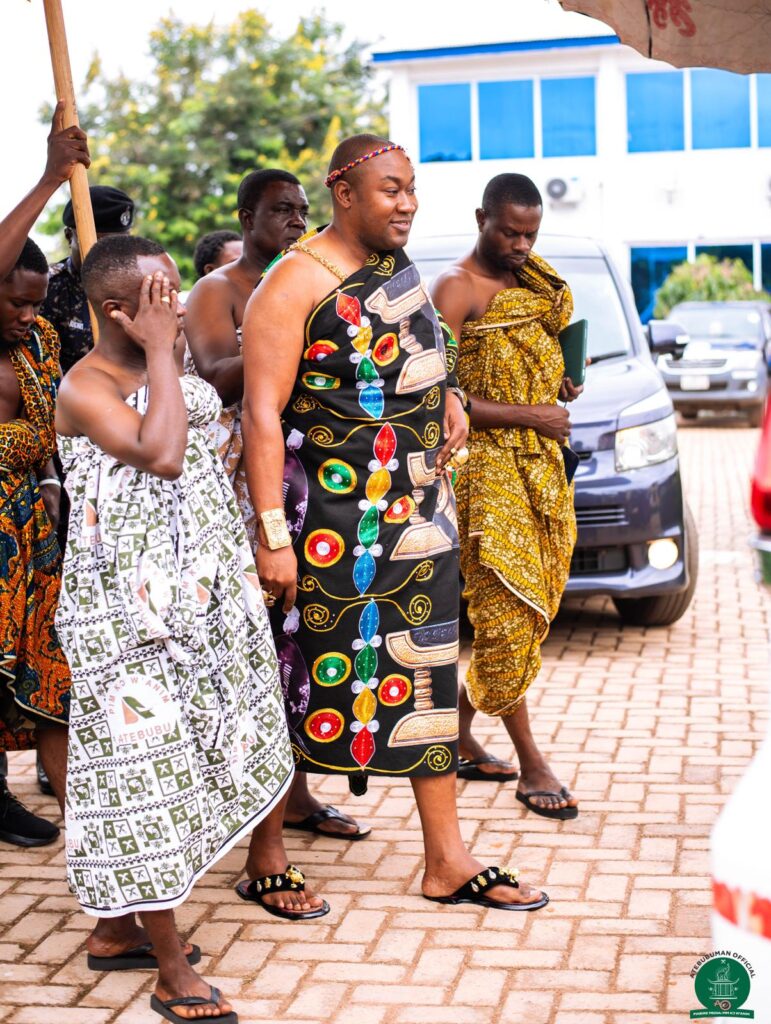
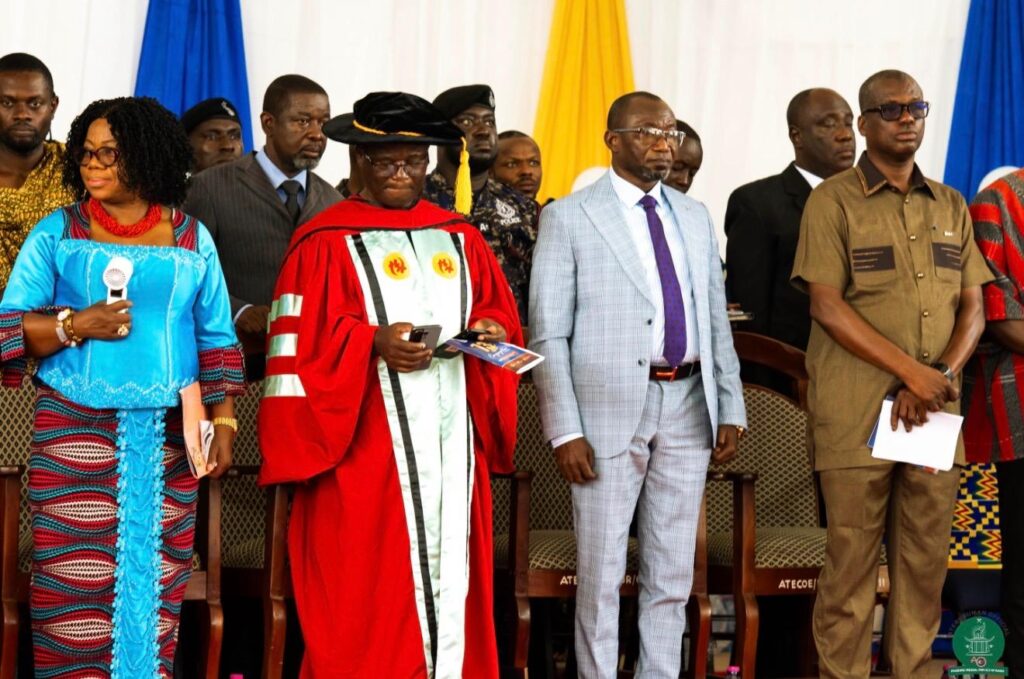
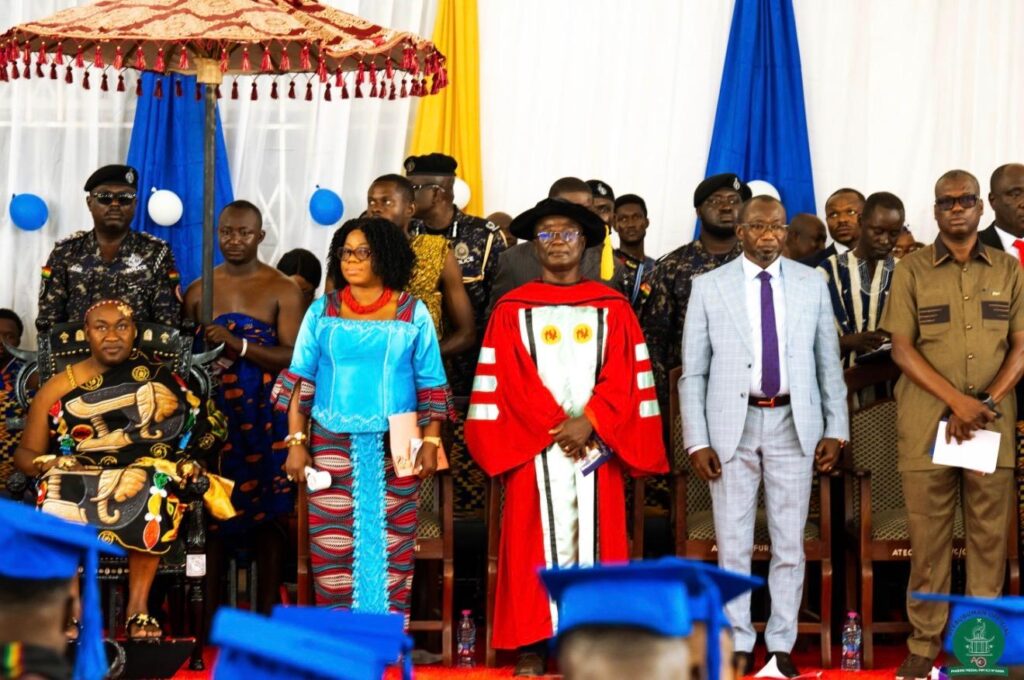
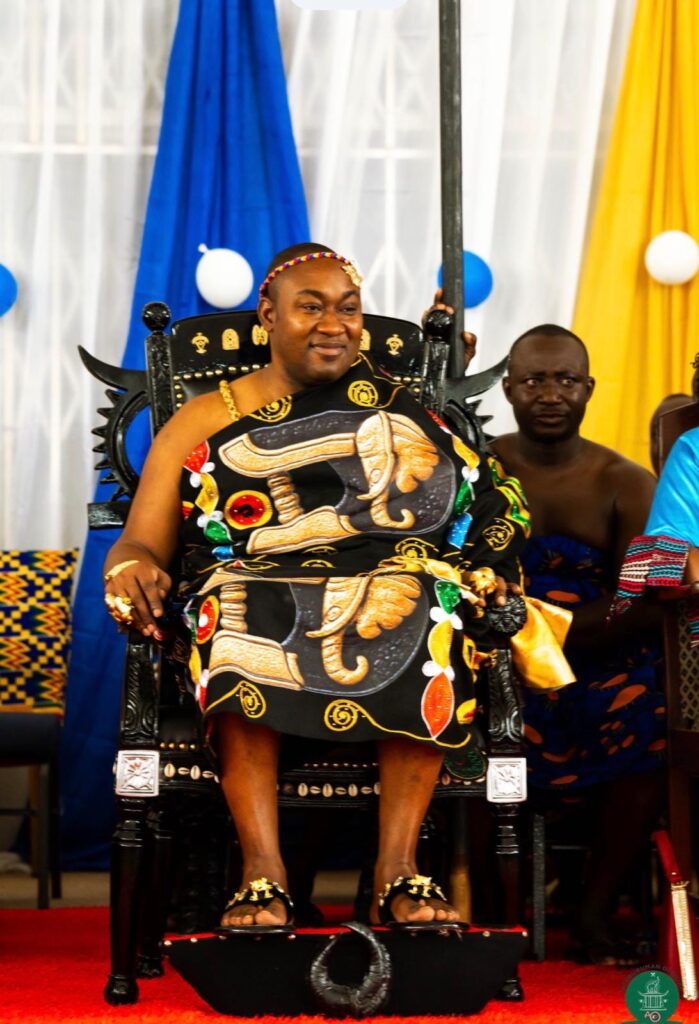
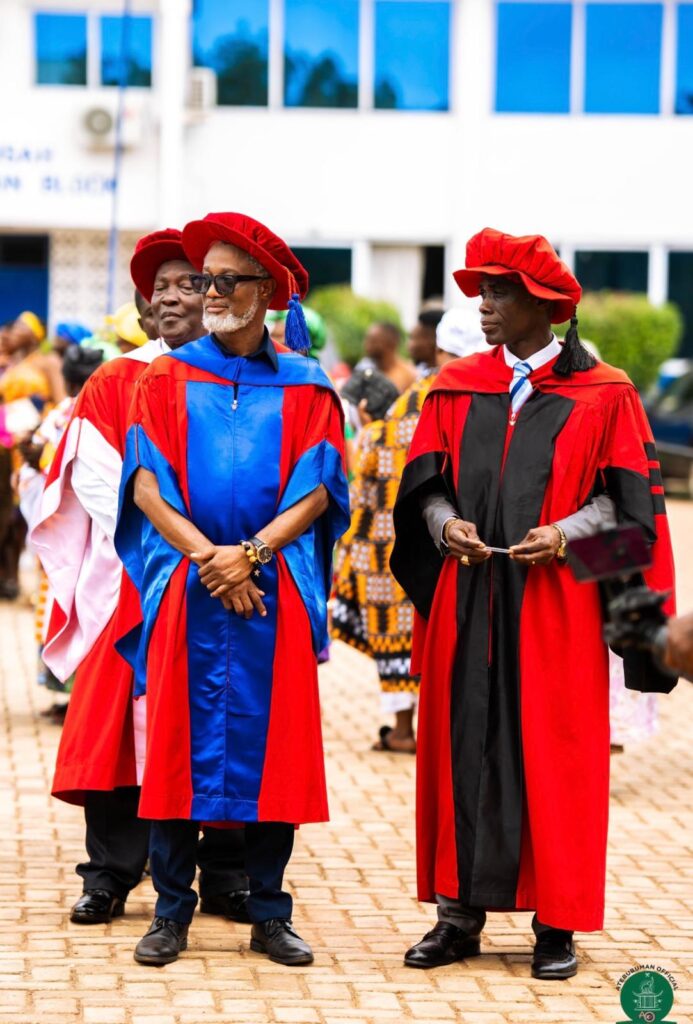
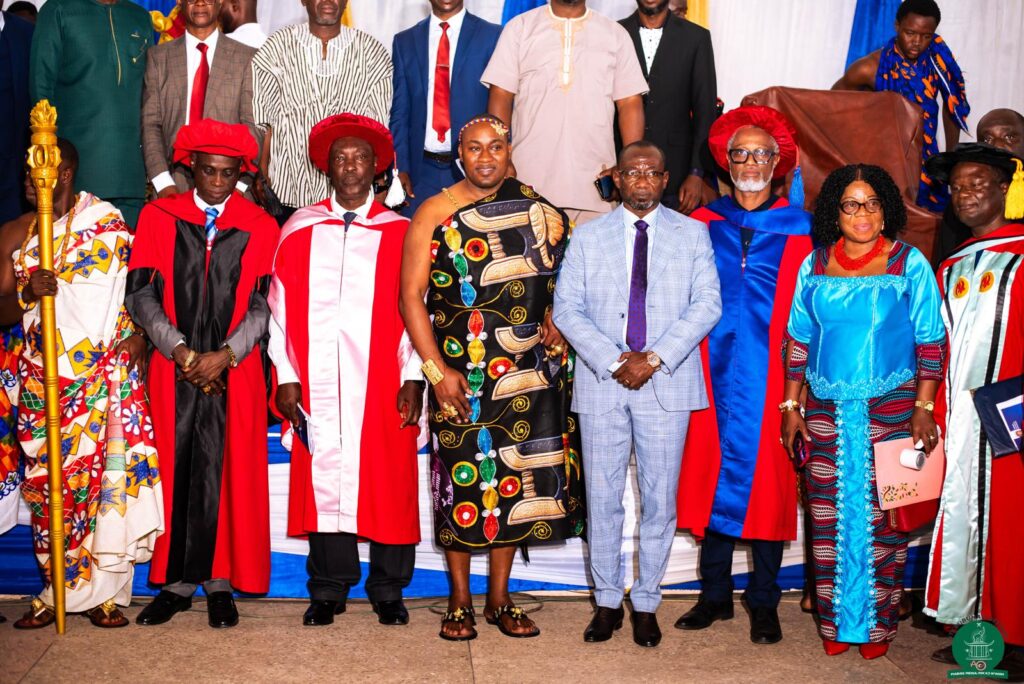
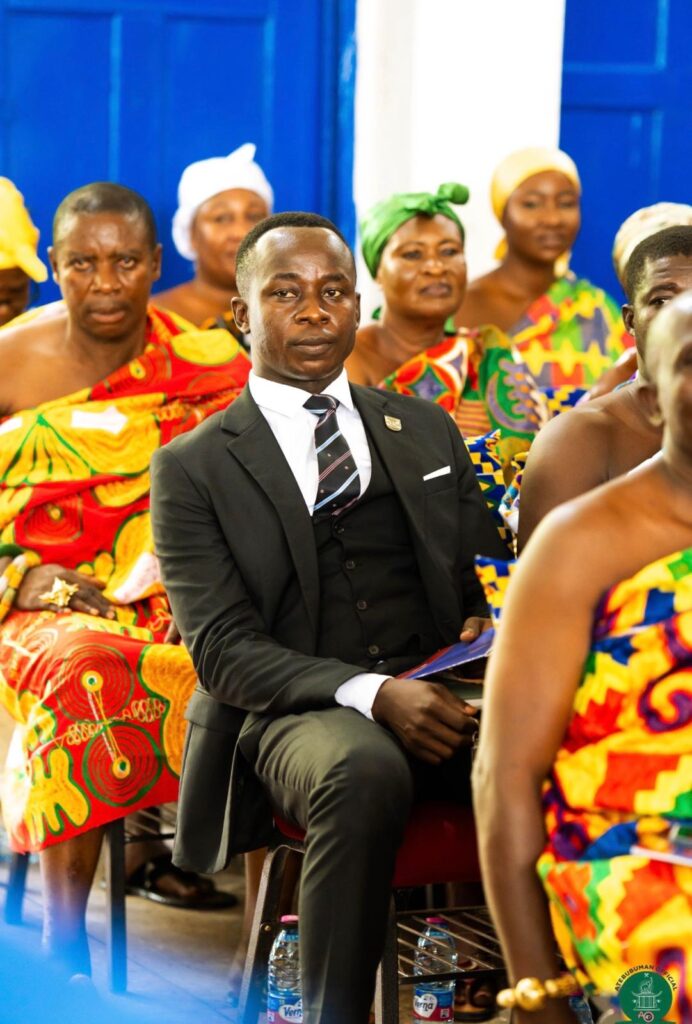
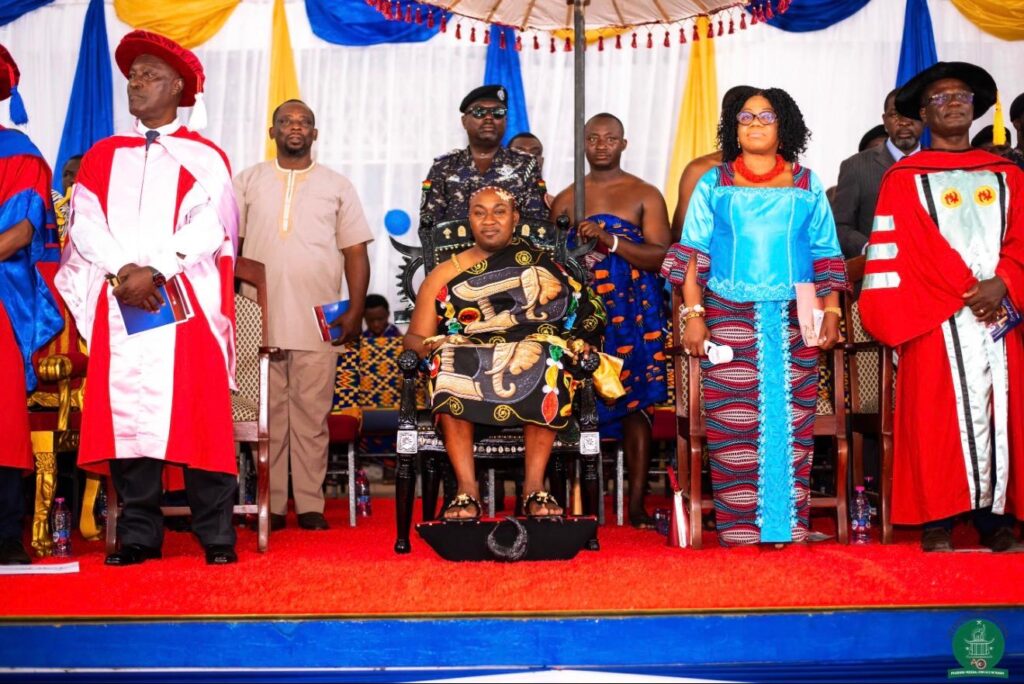
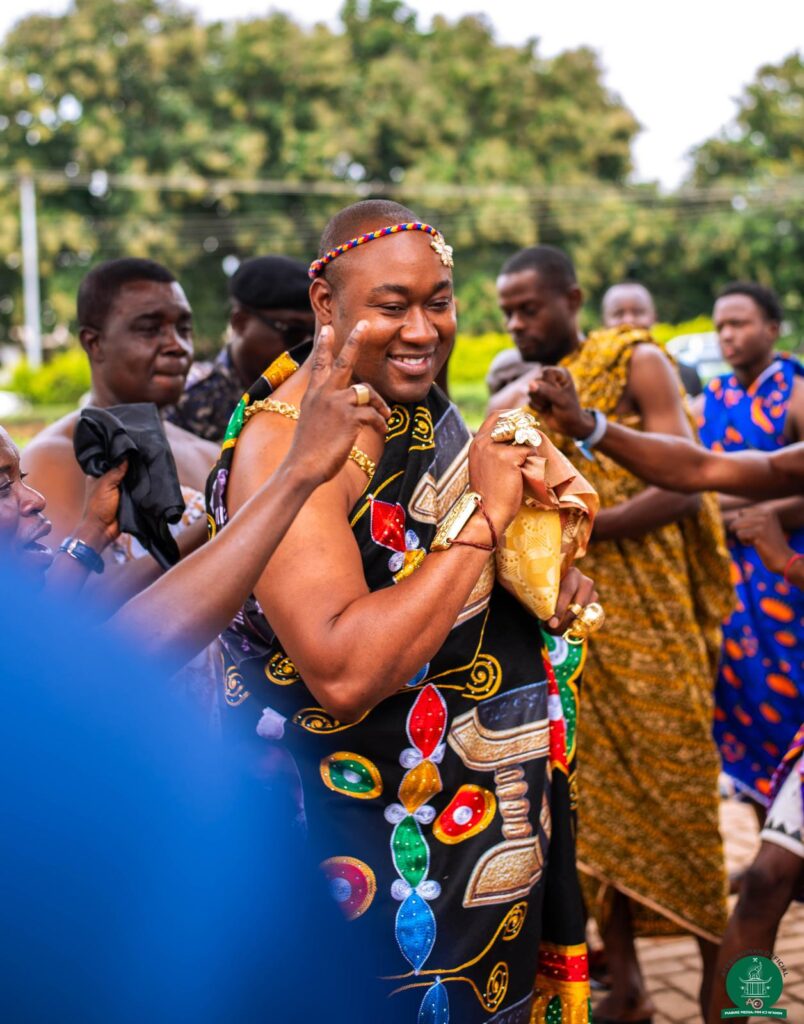
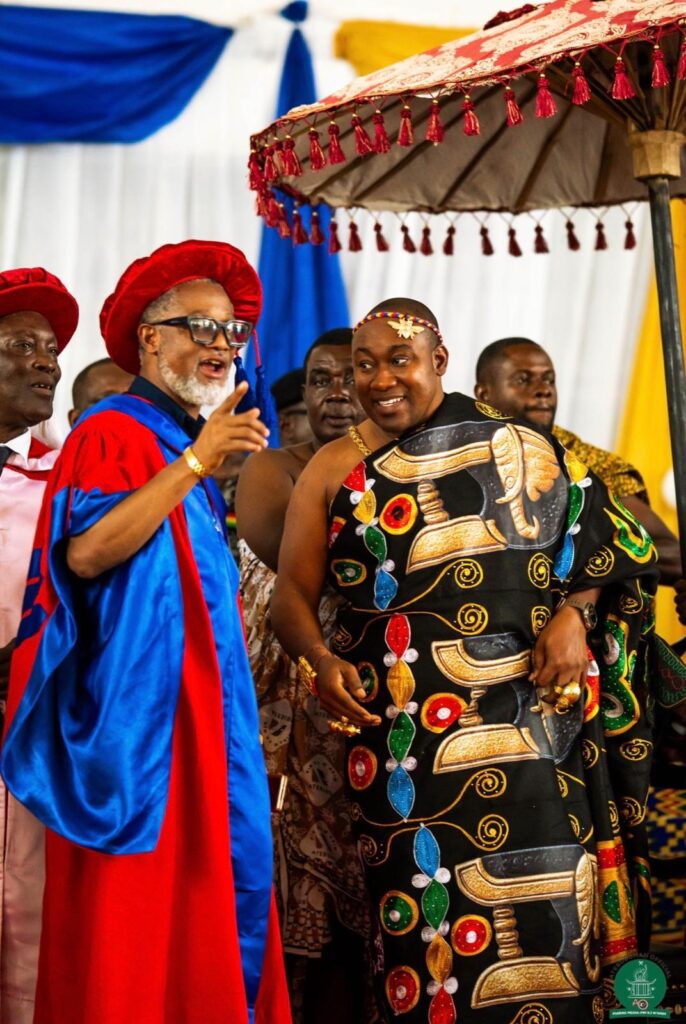
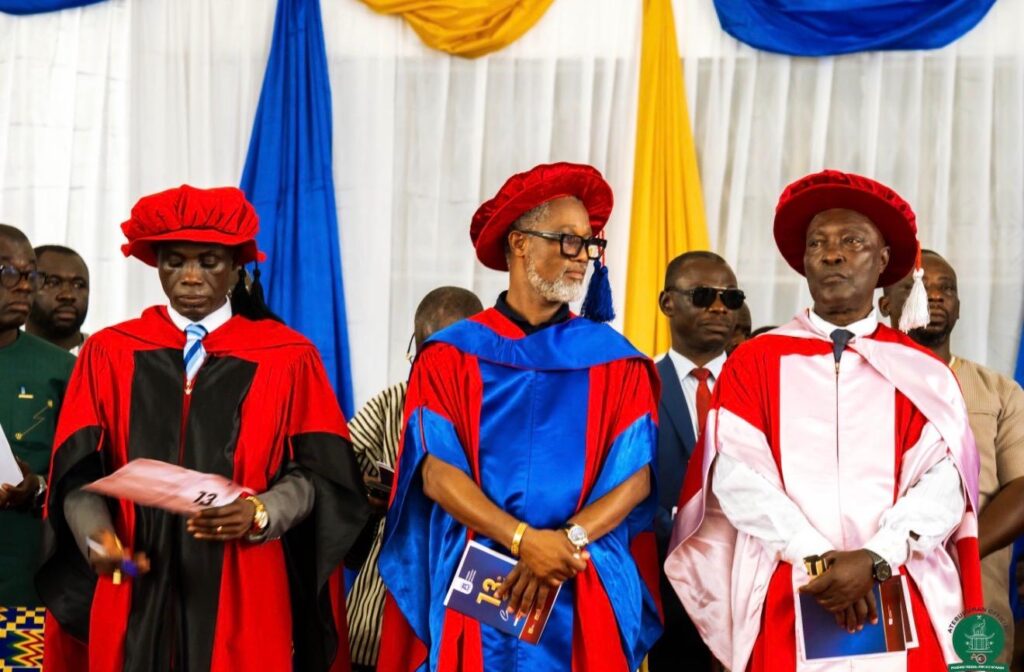
When the Governing Council and Management of Atebubu College of Education invited me to serve as the Special Guest of Honour for its 13th Congregation Ceremony held on 4 September 2026, I accepted not only out of great pride in our community’s academic institution, but because the theme of the occasion resonated powerfully with my personal experience and scholarly journey. The theme, “Knowledge with Integrity: Preparing Ethical Leaders for Tomorrow,” struck at the very core of my doctoral research into ethical leadership, accountability, and trust. Having spent years examining how character and moral authority influence public participation and community development, I found the congregation’s charge to newly trained teachers both timely and profound.
As I watched another cohort of educators prepare to step into classrooms across our nation, I felt compelled to put these thoughts on paper. This article is a reflection written after the event to unpack why coupling knowledge with integrity is one of the most important mandates facing Ghanaian education and leadership today.
There is a fundamental difference between being educated and being ethical. A person may possess impressive academic qualifications, technical competence, and considerable intelligence, yet lack the integrity required to use that knowledge for the good of society.
The theme speaks directly to a subject I addressed in my doctoral dissertation: “Ethical Leadership and Community Citizenship Behavior: The Role of Accountability and Trust in Ghana’s Traditional System of Leadership,” in which I examined how ethical leadership influences the willingness of citizens to support their leaders and voluntarily contribute towards the development of their communities.
At the heart of that research was a simple but important question: What makes people trust their leaders and willingly go beyond what is required of them for the collective good?
The answer has profound implications not only for traditional leadership, but also for government, education, business and virtually every institution in our society.
Leadership is Sustained by Trust
Leadership is frequently linked to rank and power; nevertheless, while authority can enforce compliance, it does not guarantee trust. Trust must be earned. My study drew on the experiences of 319 adults from six regions of Ghana who lived under paramount chiefs and had experience of their chiefs’ community activities. It found a clear relationship between citizens’ perceptions of ethical leadership and their willingness to engage in positive community citizenship behavior. To put it simply, people are more inclined to engage and go above and beyond their regular responsibilities for the sake of society when they perceive their leaders to be honest, fair, caring, and consistent.

These were not people speaking about a distant institution. More than eight out of every ten respondents had attended or participated in traditional gatherings or festivals, and a similarly high proportion knew their paramount chief by stool name or formal title. Their responses therefore reflected practical contact with traditional leadership and community life.
Trust proved especially important. Ethical behavior strengthened citizens’ trust in their leaders, and that trust helped explain why people were more willing to contribute voluntarily. Accountability was also positively related to ethical leadership, but it did not explain the link between ethical leadership and citizenship behaviour in the same way that trust did. That distinction matters: trust can mobilise people, but it should never be treated as a substitute for transparent and accountable institutions.
Consider a typical community circumstance when a chief calls on citizens to support a school project, a sanitation exercise or a community development fund. When the purpose is clearly explained, decisions are fair, resources are properly accounted for, and the leader keeps his word, people are more likely to offer their time, expertise, and resources willingly. However, where there is secrecy, favoritism, or suspicion of misuse, participation weakens. This is not merely an isolated case study from my survey; rather, it highlights the pattern uncovered by the research in a practical context: authority can ensure compliance; however, ethical behavior cultivates trust, and trust fosters commitment. This is particularly important at a time when citizens increasingly demand transparency, responsiveness and accountability from those entrusted with leadership.

A title can give a person authority.
An election can give a person political power.
An appointment can give a person institutional responsibility.
A traditional office can confer enormous influence. But none of these automatically confers trust.
Trust grows when people see consistency between what a leader says and what the leader does. It grows when leaders accept responsibility for their decisions, demonstrate fairness and place the interests of those they serve above personal convenience. This is why leadership without accountability eventually loses legitimacy, and knowledge without integrity can become dangerous.
Every Teacher Is a Leader
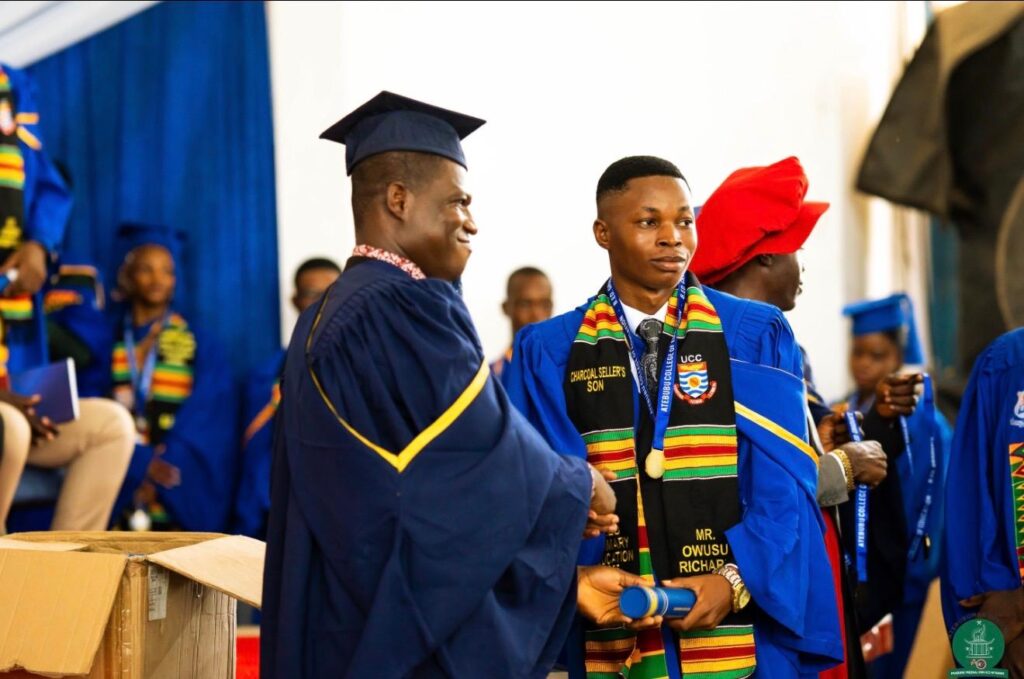
The connection between ethical leadership and teacher education deserves particular attention. Every teacher is a leader. The moment a teacher stands before children in a classroom, that teacher begins exercising influence that can last for generations. Children do not learn only from textbooks or what their teachers write on the board. They observe how adults behave.
They notice whether their teachers are fair. They see how teachers treat weaker pupils. They notice whether promises are kept, whether discipline is administered fairly, and whether teachers themselves demonstrate the values they demand from their students.
In other words, teachers do not merely teach lessons. They model citizenship. A certificate may qualify a graduate to enter a classroom, but integrity will determine the quality of influence that graduate exercises once inside it. Knowledge may cause pupils to listen to their teacher, but character will determine whether they trust that teacher. And while a professional position may cause children to address someone as “Sir” or “Madam,” the example that teacher sets may influence the kind of men and women those children eventually become. That is ethical leadership in its most practical form.

This lesson is personal to me. Growing up in Atebubu without a library or electricity to make studying after school easy, my mother’s firm guidance, positive affirmation, and refusal to give up on me helped carry me from junior high school to university. Later, during my MPhil studies at the University of Ghana Business School, lecturers and mentors such as Dr. Dan Quaye, Professor Bedman Narteh and Rev. Dr. Simon Gyasi Nimako reinforced the value of rigorous scholarship, disciplined method and constructive criticism. Their expertise mattered, but so did their patience and willingness to guide me. A good teacher does more than transmit knowledge; a good teacher recognises potential and walks patiently with the learner.

Our Greatest Resource Is Sitting in Our Classrooms
For communities such as Atebubu, education must remain central to our development agenda. We cannot build the Atebubu we envision through roads, buildings and physical infrastructure alone. We must equally develop the human beings who will occupy those buildings, manage our institutions, create businesses, provide professional services and drive our economy.
I strongly believe that our greatest natural resource is not beneath our soil; it is sitting in our classrooms. Every child properly educated represents another opportunity for the transformation of our community and country. Conversely, every child we fail to educate represents human potential that may never be fully recovered.
Education must therefore be seen not simply as the responsibility of government or educational institutions. Traditional authorities, parents, teachers, businesses, professionals and successful sons and daughters of our communities all have roles to play. Parents and guardians are not spectators in the educational process; they are partners in both the effort and the outcome. When communities collectively accept responsibility for education, we do not merely produce graduates. We develop the human capital required to transform society.
Preparing Teachers for a Changing World
Teacher education itself must also evolve. The children entering our classrooms today will work in a world significantly different from the one in which many of us were educated. Technology is changing rapidly. Artificial intelligence is transforming how information is produced, accessed and shared. Entire professions are evolving, and new ones are emerging. Educational institutions must therefore prepare teachers who are technologically confident, innovative, adaptable and committed to lifelong learning.
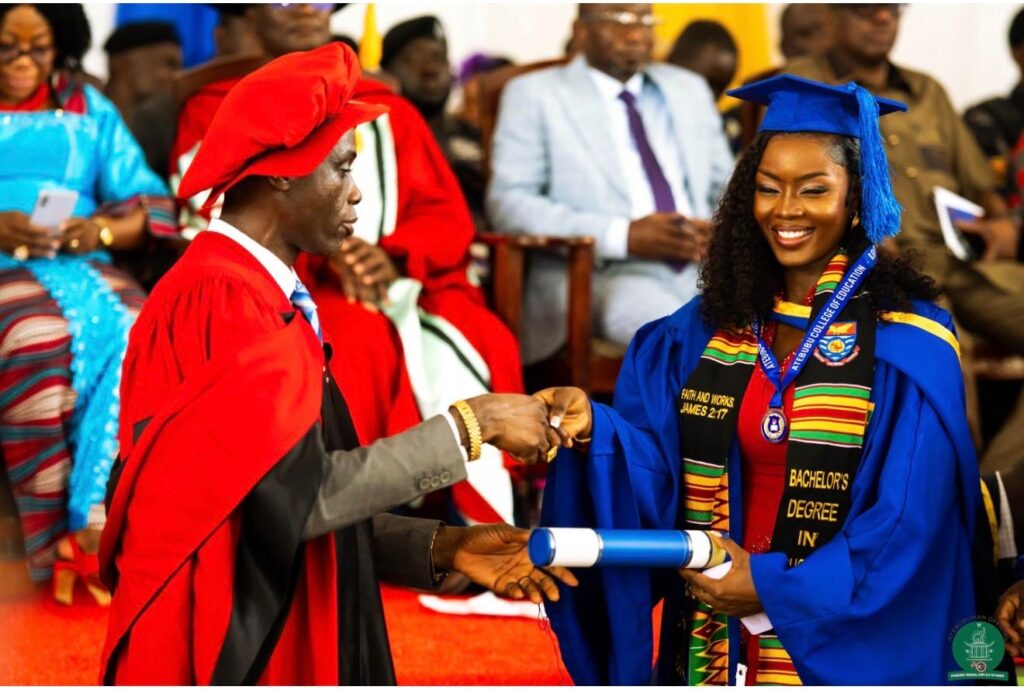
Our classrooms cannot remain in yesterday while our children are being prepared for tomorrow. Yet, even as we embrace technology, we must recognise its limitations. Technology can provide information. Artificial intelligence can generate answers. But neither can replace the integrity, compassion, mentorship, judgement and human example of a good teacher. The future of education therefore requires a combination that is beautifully captured in the theme of the Atebubu College of Education congregation: Knowledge with integrity. We need both.
Citizenship Begins With Leadership
One of the most important lessons from my research is that leadership and citizenship are interconnected. We sometimes complain that citizens are unwilling to participate in community development, volunteer their time, protect public property, or make sacrifices for the common good. But we must also ask what kind of leadership they experience. People are more inclined to contribute when leaders communicate openly, manage resources responsibly, treat citizens fairly and accept responsibility for their decisions.
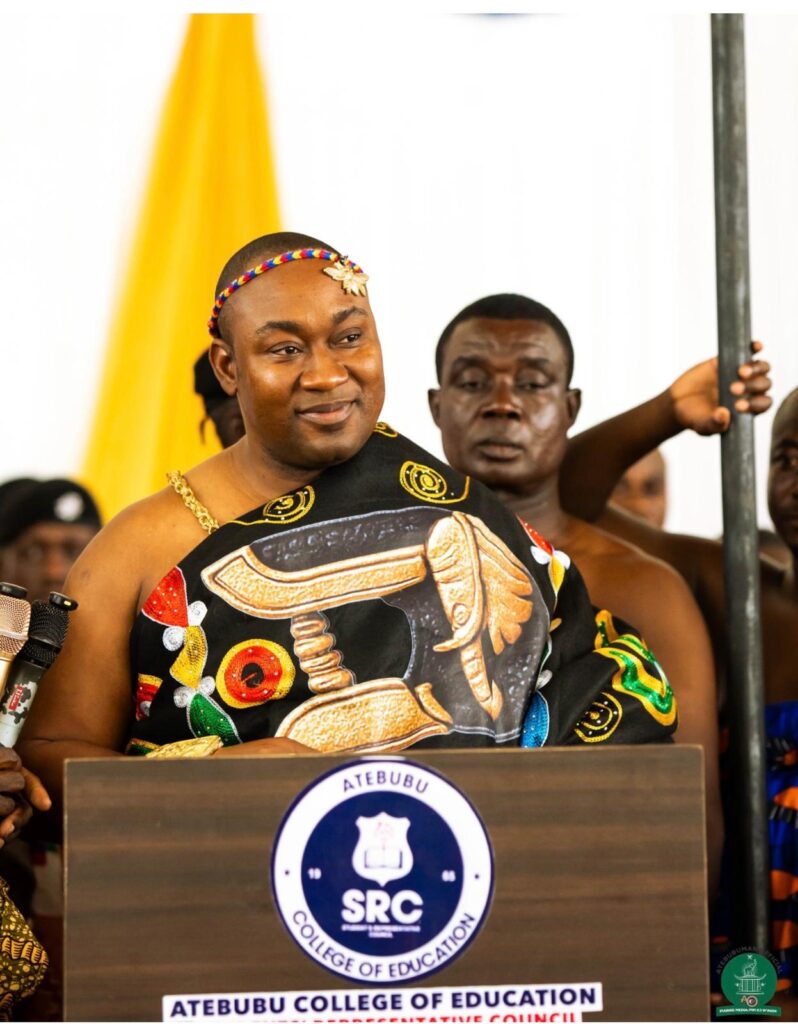
Ethical leadership therefore does more than produce good leaders. It can produce better citizens. This has implications for chiefs, politicians, public servants, corporate executives, religious leaders, teachers and everyone entrusted with responsibility over others. If we want responsible citizens, we must also produce responsible leaders. If we want citizens to trust institutions, those institutions must behave in ways worthy of trust. And if we expect accountability from followers, leaders must first demonstrate accountability themselves.

The Measure of Success
As another generation of teachers enters professional life, we should encourage them to reconsider how success is measured. Success cannot be measured only by salary, position, or material possessions. For a teacher, success must also be measured by the lives transformed, the children inspired, and the communities strengthened through one’s service. Twenty years from now, a teacher may not remember every lesson taught or every examination marked. But somewhere, a former pupil may remember a teacher who saw potential when nobody else did. That pupil may become a doctor, engineer, entrepreneur, farmer, academic, chief, Member of Parliament or national leader. And perhaps that person will one day say: “I became who I am because one teacher believed in me.” There are few legacies greater than that.
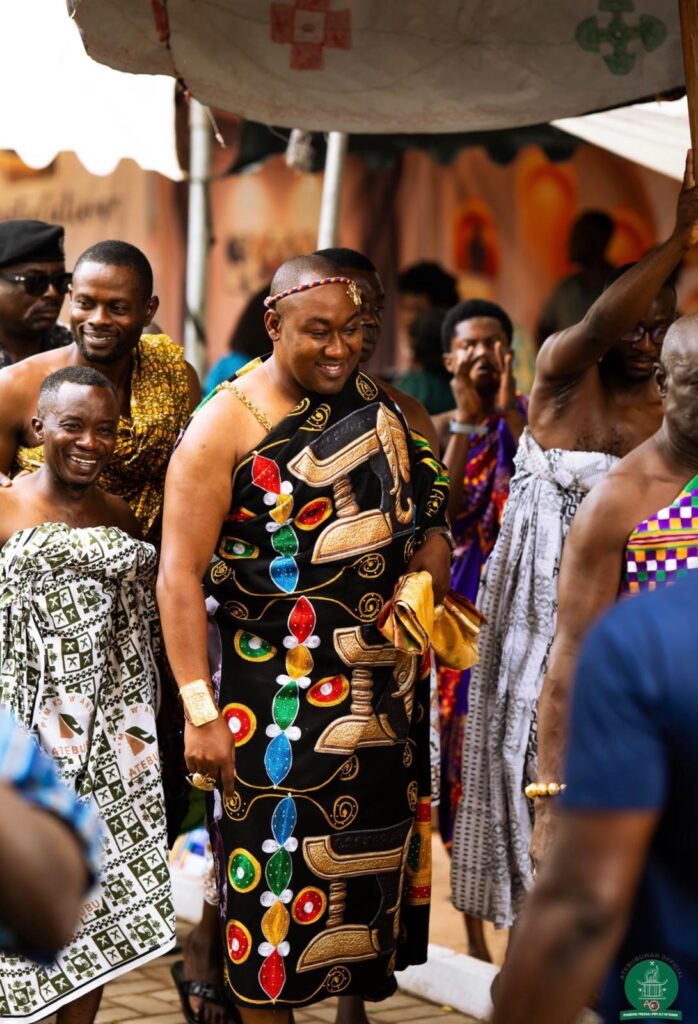
Knowledge Must Serve SocietyGhana does not suffer from an absence of intelligent people. Across our universities, businesses, public institutions, traditional authorities and professional bodies are highly educated and capable men and women. The greater challenge is ensuring that knowledge is consistently accompanied by integrity, accountability and service. The leaders Ghana needs tomorrow must therefore be prepared today.
They must understand that leadership is not primarily a privilege to be enjoyed, but a responsibility to be discharged. They must recognise that integrity is not what we demonstrate when people are watching. It is what guides our decisions when nobody is watching. And they must understand that trust, once lost, can be far more difficult to recover than authority.
Our task as a nation is therefore not merely to educate people. We must educate people of character. We must develop knowledgeable teachers who are also ethical leaders, competent professionals who are accountable, and citizens who understand that individual success carries a responsibility towards the wider community.
Knowledge can open doors, but its integrity keeps those doors open.
Leadership may give us influence, but its trust gives that influence legitimacy.
And when knowledge, integrity, accountability and trust come together, leadership becomes a powerful instrument for transforming communities and building the Ghana we desire.
Pim Kɔ W’anim!
About the AuthorHRM Ohempon Dr. Yeboah Asiamah is the Paramount Chief of the Atebubu Traditional Area and President of the Atebubu Traditional Council. His doctoral research examined ethical leadership and community citizenship behavior, with particular emphasis on the roles of accountability and trust within Ghana’s traditional system of leadership.